


Equine Herpes Virus Type 1 (EHV-1) is a widespread viral infection, notorious for affecting the upper respiratory tract of horses, comparable to a human’s common cold. The disease is predominant in young horses – foals and yearlings – leading to symptoms such as nasal discharge, often termed as “snotty noses”. Besides, it can also impact adult horses, manifesting as mild flu-like symptoms.
Key Symptoms of EHV-1 Infection
The manifestation of EHV-1 differs between young and adult horses. It’s crucial to know these symptoms for early detection and effective treatment.
Detecting EHV-1 in Foals and Yearlings
Primary symptoms of EHV-1 in young horses include:
- Nasal discharge: Young horses often show a thick and sticky mucus discharge from the nose, varying in color from clear to pus-like yellow or green. This symptom is one of the most noticeable signs of EHV-1.
- Other symptoms: along with nasal discharge, other symptoms may also be present, aiding in correct diagnosis.
Identifying EHV-1 in Adult Horses
In adult horses, the symptoms shift to resemble mild flu-like indications. They include:
- Fever: Mild to moderate rise in body temperature is often an early sign of EHV-1.
- Depressive behavior, weakness, and loss of appetite: Adult horses may show signs of depression, general weakness, and occasionally reduced appetite.
An early recognition of these symptoms can lead to timely treatment, accelerating the recovery process.
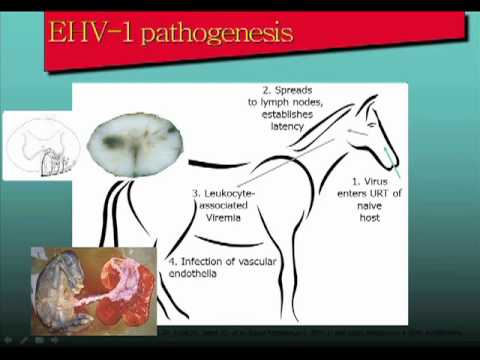
EHV-1 Infection and Transmission Pathways
EHV-1 is highly infectious and transmits easily amongst horses. This quick transmission occurs both via direct and indirect contacts.
| Transmission Pathway | Description |
|---|---|
| Airborne | The virus spreads through airborne droplets when an infected horse coughs or sneezes, and other horses inhale these droplets. |
| Direct Contact | Direct contact between infected and susceptible horses can lead to virus spread. |
| Indirect Contact | The virus can also transmit via contaminated objects like bridles, halters, water buckets, and even human hands. |
Owing to its contagious nature, it is critical for horse handlers, owners, and veterinarians to spot the said symptoms swiftly, ensuring the implementation of proper hygiene measures to restrain the virus spread.
The Virus and its Impact on Performance Horses
“The Virus,” as practitioners sometimes refer to it, has notable implications for performance horses such as racehorses. These issues underscore the importance of attentively managing the EHV-1 in these equines.
Effects on Training and Performance
The virus can affect a horse’s training and performance as follows:
- Health decline: A horse fighting EHV-1 will not perform at its peak due to general lethargy and weakness.
- Break in training: Racehorses and other competing horses require consistent training, and enforced rest due to EHV-1 might disrupt their overall conditioning and performance.
Reinfection Factors
The following factors can contribute to reinfections, as the immunity acquired post-recovery is often short-lived:
- Exposure to infected horses: The highly contagious nature of EHV-1 puts uninfected horses at risk when near an infected horse.
- Stress: Rigorous training and competition can impose considerable physical and mental stress, potentially weakening the horse’s immune system and making it prone to reinfection.
- Seasonal changes: Variations in environmental conditions, like temperature or humidity, could weaken the immune system, increasing the risk of reinfection.
Minimizing Reinfection Risks
To lower the risk of reinfection and maintain the horse’s performance level, consider the following preventive steps:
- Hygiene protocols: Implement strict hygiene practices, maintain clean stables, and sanitize all equipment regularly.
- Balanced diet: Ensure the horse consumes a diet fulfilling its caloric and nutritional needs, thereby strengthening its immunity.
- Stress management: Avoid overtraining and monitor the horse’s physical and mental stress levels to maintain its overall health.
The understanding of EHV-1’s potential impacts on racehorses and other performance horses aids owners and trainers in adopting proper care and prevention strategies. This preventive approach reduces the likelihood of reinfection, fostering the high performance of these equines.
Treatment and Management of EHV-1
To manage EHV-1, veterinarians deploy various approaches focusing on symptom management, prevention of secondary bacterial infections, and rest to aid recovery.
Symptom Management
Treating symptoms rendered by EHV-1 includes:
- Respiratory Care: Nasal discharge and respiratory distress may be addressed with nebulization therapy and bronchodilator drugs.
- Fever Management: Non-steroidal anti-inflammatory drugs (NSAIDs) may be used to control fever and reduce discomfort.
Preventive Measures for Secondary Infections
To circumvent additional bacterial infections, the following may be recommended:
- Antibiotics: These are prescribed to prevent secondary bacterial infections that can complicate recovery.
- Quarantine: Following a diagnosis, it’s recommended to isolate the infected horse to preclude the virus spread to other horses.
Rest and Recovery
Supporting a horse’s recovery process involves:
- Rest: Horses need plenty of rest to overcome EHV-1, similar to humans battling a common cold.
- Nutrition: A balanced diet is essential for boosting the immune system to combat EHV-1 and expedite recovery.
Vaccination against EHV-1
While there is no foolproof vaccine for EHV-1, existing vaccines can help reduce the severity and spread of the disease.
Key points about EHV-1 vaccination include:
- Efficacy: The current vaccines primarily protect against EHV-1’s respiratory disease presentation and limit the spread of the virus but aren’t entirely effective against the neurological form.
- Administration: Vaccines are typically given biannually but may be administered more frequently during outbreaks.
- Recommendation: Consult with a veterinarian to devise an appropriate vaccination schedule tailored to the horse’s specific circumstances.
Outbreak Management of EHV-1
Proactive outbreak management and preventive protocols are essential whenever an EHV-1 outbreak occurs within a horse population.
Primary components of this strategy encompass the following steps:
- Isolation of Infected Horses: Affected horses should be quarantined immediately upon suspicion or confirmation of EHV-1.
- Halt Horse Movement: Restrict movement of horses on and off the property to prevent spreading the infection.
- Frequent Cleaning and Disinfection: Sanitize stalls, equipment, and common areas frequently using disinfectants effective against the virus.
- Observation of Uninfected Horses: Monitor unaffected horses closely for symptoms and separate them at the first sign of illness.
- Communication: Inform stakeholders, including owners, staff, and attending veterinarians about the outbreak and the steps being taken to manage it.
Understanding the intricacies of EHV-1, its potential impacts, treatment options, preventive measures, and management strategies can enable equine caregivers to make informed decisions in the best interest of horse health. Commitment to good health practices and quick, calculated responses are keys to managing this commonly occurring adversary in horse populations worldwide.
EHV-1 Monitoring and Surveillance
For the effective management of the EHV-1 infection, monitoring and surveillance play a critical role.
Clinical Monitoring
Here are the central points to consider:
- Daily health checks: Perform daily health checks for symptoms of the disease, including nasal discharge, fever, and depressive behavior.
- Regular checks for new cases: Conduct daily observations for new cases, especially in larger horse populations or stables.
- Documentation: Keep a record of horses showing any signs of EHV-1. This can help in managing the spread of the virus and in identifying any patterns or trends.
Surveillance Protocol
The surveillance protocol should include the following elements:
- Testing: Regular laboratory testing of suspected cases helps in early identification and preventing virus spread.
- Sample collection: Nasal swabs and blood samples are commonly used to diagnose EHV-1.
- Reporting: Inform local authorities about suspected cases to help control a broader outbreak.
Biosecurity Measures in Stable Environments
Preventive biosecurity measures can help minimize the risk of EHV-1 outbreaks in stable environments.
Such preventive strategies include:
- Quarantine new arrivals: Newly arrived horses should be isolated from the existing population for an initial period to ensure they are not carrying the virus.
- Clean and disinfect: Regularly disinfect potentially contaminated surfaces including feeding buckets, tack, and grooming equipment.
- Personal hygiene: Handlers should wash hands thoroughly and change clothes if they have been in contact with an infected horse.
| Strategy | Description |
|---|---|
| Quarantine | Isolation of newly arrived horses or those showing symptoms |
| Cleaning | Regular disinfection of all surfaces, equipment, and areas horse come in contact |
| Personal hygiene | Thorough washing of handlers’ hands and changing clothes after contacting infected horses |
Long-term Impacts of EHV-1
While EHV-1 manifesting as a respiratory disease rarely results in death, its neurological form can have severe, long-term effects on horses.
Respiratory Form
Key points include:
- Short-term symptoms: These include nasal discharge, depression, and fever.
- Recovery: Most horses recover fully with supportive care and adequate rest.
Neurological Form
Issues associated with the neurological form:
- Symptoms: These can include hind limb weakness, difficulties with urination and defecation, and a lack of coordination.
- Long-term impacts: These include permanent neurological deficits and can even lead to euthanasia in severe cases.
Understanding the disease’s potential impacts, following appropriate preventive strategies, and implementing correct management steps can work together to mitigate the risks associated with EHV-1. The goal remains to foster a healthy environment conducive to equine health and performance.


