


Horse training is a delicate process that aims to build a bond of trust and cooperation between horse and human. This balance is achieved by increasing the horse’s exposure to pressure while ensuring this exposure does not lead to undue stress.
Understanding the Balance of Pressure
The Skill of the Trainer: In the realm of horse training, the trainer’s skill depends significantly on their insight into discerning the level of pressure a horse can handle at a particular stage of its training. Trainers need to apply adequate pressure to stimulate progress and improvement in the horse.
Fine Line of Pressure : The process entails delicately manoeuvring between too much and too little pressure. While insufficient pressure could retard the equine’s process of learning, an excess would potentially halt it entirely. It requires a trainer to expertly manage this balance, which often reflects a fine line between growth and severe stress.
Listening to the Horse: A good trainer maintains a stable equilibrium between challenging the horse effectively and refraining from over demanding efforts. This balance is achieved by remaining attuned to the horse’s signals and responding with kindness instead of succumbing to personal ego.

The Role of Gentle Methodology
Gentle Methodologies: These approaches are hallmarked by kindness, a quality appreciated deeply by horses. Kindness can take many guises, although comfort is regarded in high esteem when dealing with horses. As is the case for humans, horses also gravitate toward comfort.
Understanding the Horse’s Position: Some expectations from humans — such as pulling carts, riding in trailers, and carrying riders — may be uncomfortable tasks from the horse’s perspective. These are activities that horses wouldn’t readily opt to do on their own. Embracing gentle methods involves understanding these perspectives instead of dismissively overriding them.
Comfortable Relationship Building: It should be the goal of trainers to demonstrate to the horse that human-led activities need not be uncomfortable for them. Achieving this rapport requires an investment of time, planning, and thoughtfulness before the actual training activity begins.
Gentle Methods: Advantages in Horse Training
Gentle horse training methods cater to various preferences and circumstances, including trainers who may choose gentler techniques due to physical limitations. This style not only demonstrates respect for the horse but also often rewards trainers with a highly receptive and cooperative horse, fostering a more fruitful training experience.
The Role of Physical Strength and Courage
Less Reliance on Physical Strength: Opting for kinder, gentler techniques in training an equine requires less physical strength or bravery from trainers and riders. This feature makes it an attractive approach for individuals who may be disadvantaged in these areas.
Age and Strength: As trainers age and physical vigour naturally declines, their reliance on non-physical practices increases. The diminishing of physical strength rather necessitates the adoption of less physically demanding methods.
Success with Gentle Techniques: There are instances where trainers have achieved significant success while employing these gentle methods, even surpassing those who are technically more skilled or braver in the saddle. This corroboration testifies to the efficacy of kind and patient training methods.
Challenging Physical Approaches to Horse Training
Questioning Human Supremacy: Traditional physical methods of horse training are reliant on the presumption that humans should always triumph. This assumption is increasingly being questioned, especially when dealing with a particularly robust and determined horse.
The Need for Rough Riders: Supposing a display of dominance fails to subdue the horse, the general practice is to bring in a “rough rider” skilled in wrestling control. However, it hinges on the hope that your rough rider has enough prowess to supersede the horse—an outcome that is by no means guaranteed.
The High-Stakes Game: While there are few horses that can’t eventually be ridden using physically dominant methods, the same can be said about riders—there are few who can’t be bucked off. This risk manifests particularly if the horse is highly determined, underlining the logic in refraining from a display of physical force.
In conclusion, it’s always prudent to weigh our approaches in horse training. A physically forceful method places the human and the horse in a potentially hazardous struggle of wills, a circumstance that can likely be avoided by employing gentler alternatives.
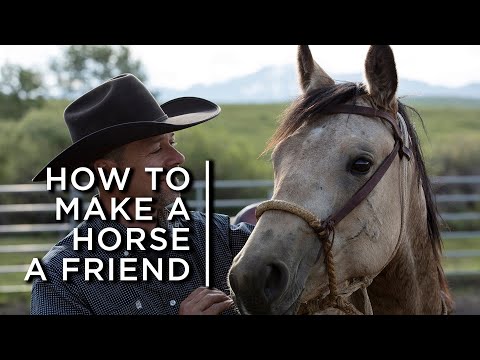
Gentle Methods and the Confidence of Horses
Favouring gentle methods in horse training often results in a more confident and trusting horse. In striking contrast to techniques that leverage fear and dominance, gentle approaches offer horses the opportunity to learn, figure things out, and develop confidence.
Horses: Fear, Confidence, and Learning
Horses’ Approach to New Experiences: Despite their size, horses often lack confidence when encountering new stimuli. Their initial instinct is to view unfamiliar situations with fear until they are shown there is no danger.
Role of Fear in Physical Training Methods: Traditional physical methods of horse training rely heavily on inducing fear in the horse. Compliance is usually gained out of fear of physical punishment, as severe tools like bits, spurs, ropes, and whips amplify the potential for discomfort and consequential fear.
Avoidance of Discomfort: Horses will often go to great lengths to evade discomfort, including unloading riders and equipment inflicting the discomfort. The horse is only made comfortable when it complies with the handler’s wishes, which must be clear and effectively communicated.
The Delicate Balance: Discomfort and Punishment
Discomfort and Punishment: In horse training, the difference between discomfort and punishment can often be a matter of degree. When applied properly, these methods should be guides rather than threats.
Examples: A horse will typically yield to a leg aid to avoid discomfort. But maintaining a strong leg aid after the horse has obeyed can transform from a cue to a punishment, especially when a spur is involved to reinforce the message. Similarly, shortening the reins to slow down a horse initially causes discomfort, but continuously holding on after the horse has complied is punitive.
Interplay of Traditional and Gentle Methods
Physical Training and Punishment: Physical training methods often involve working in opposition to the horse, imposing punishment until the horse eventually submits. These techniques effectively aim to “break in” the horse, leading to the horse’s will being “broken” rather than nurtured.
The Promise of Gentle Methods: Gentle methodologies aim to demonstrate to the horse that adherence to the rider’s requests results in comfort rather than discomfort. The horse learns that cooperation, rather than defiance, is the path to a comfortable co-existence.
Enhancing Horse Self-Confidence through Gentle Training Methods
Gentle training methods can foster a horse’s self-confidence and trust in the rider, often yielding a horse that can adapt to new stresses more efficiently than those trained within the confines of strict authority and forced compliance.
The Pursuit of Horse Self-Confidence
A Horse’s Need for Confidence: A horse keen on pleasing its rider is usually one that clearly understands the tasks expected and is confident enough to perform them. Encouraging self-confidence in both the horse and ourselves strengthens the bond and fosters mutual respect.
Unhindered Execution: When a sense of trust has been established, it enables us to give the horse the freedom to perform tasks without the interference of heavy hands on the reins or sudden weight shifts. The motto here often resonates with the adage: good riders never seem to be doing much, because they understand the importance of trusting the horse to do its part.
Building Trust: This seemingly effortless interaction between the rider and the horse is the product of the trust and confidence they have built together. This relationship may sound abstract, but prioritizing this mental bond significantly improves the overall training experience.
Understanding Horses’ Social Structure and Nature
Herd Hierarchy: Being herd animals, horses are inherently hierarchical, typically respecting a dominant figure within their group. This natural behaviour can be leveraged in gentle training methods to encourage the horse to regard its handler or rider as the dominant figure in its world.
Core Horse Nature: A deeper comprehension of the horse’s basic nature can lend invaluable insights into the animal’s psyche, revealing nuances that help tailor effective training practices.
The next few sections will concentrate on further examining the essential elements of a horse’s nature.
Frequently Asked Questions: Horse Training – Striking the Balance between Pressure and Kindness
Q: What does the term “gentle training” mean?
A: Gentle training, sometimes referred to as “humane training” or “positive reinforcement,” is a method of training horses that focuses on rewards instead of punishment. Trainers use this technique to build trust and cooperation with the horse, rather than forcing it to obey commands through fear or discomfort. It encourages the horse to think, learn and explore, enhancing its mental and emotional wellbeing alongside physical training.
Q: How do physical training and gentle training methods differ?
A: Physical training or traditional horse training methods often focus on dominance and control, using tools like spurs, whips, or bits to establish authority and enforce obedience. In contrast, gentle training emphasizes understanding, trust, and cooperation. It uses positive reinforcement to encourage desired behaviors, minimizing the use of fear-inducing tools or methods. Instead of dominance, gentle methods prioritize partnership and mutual respect between the horse and the handler.
Q: Why is building trust essential in horse training?
A: Trust forms the foundation of a successful training experience. When a horse trusts its trainer, it’s more likely to be responsive, cooperative, and less prone to stress or fear responses. A trusting horse will not only learn and perform tasks more efficiently but also build a deep bond with the handler, leading to a safer and more enjoyable experience for both.
Q: How can I apply gentle training methods without losing control of my horse?
A: While gentle training methods focus on positive reinforcement and trust, they don’t mean relinquishing authority. Consistency, clarity in commands, and setting firm boundaries are crucial. For example, rewarding the horse when it follows a command and ignoring or redirecting bad behavior can assure the horse understands expected behaviors without experiencing punishment or fear.
Q: Does gentle training take longer than traditional training methods?
A: The duration of training can depend on a variety of factors like the horse’s temperament, previous experiences, and the bond built between the handler and the horse. While gentle training might seem to progress more slowly initially as it focuses on developing understanding and trust, it usually results in a more well-adjusted, trusting, and mentally balanced horse in the long term.
Q: Are there certain breeds or individual horses that respond better to gentle training?
A: Gentle training can be successfully applied to any horse, regardless of breed or temperament. Remember, every horse is a unique individual with its own personality, learning pace, and preferences. Some might respond quicker, while others take more time to get used to the gentle training techniques. It’s all about patience and understanding the individual horse’s needs.
Q: How can I ensure I’m not causing discomfort while applying pressure in training?
A: Paying attention to your horse’s reactions is key. A horse experiencing discomfort may exhibit signs like restlessness, avoidance, pinned ears, tail swishing, or even bucking. It’s important to use just the right amount of pressure to help your horse understand your command and release it as soon as the horse responds correctly. If you notice any signs of discomfort, reassess your method and consider consulting a professional trainer.
Q: Can gentle training methods be used to correct aggressive or fearful behaviors in horses?
A: Yes, gentle training methods are often particularly effective for horses exhibiting fear-based or aggressive behaviors. Positive reinforcement can help build trust and confidence in fearful horses, while clear boundaries and consistent routines can help manage aggressive behaviors. However, always consult with a professional if you’re dealing with aggressive or overly fearful horses to ensure you’re addressing the issue safely and effectively.
Q: Can I start using gentle training methods if I’ve already been using physical training methods?
A: Yes, you can transition to gentle training methods at any point. However, remember the transition might take some time. Horses trained with more forceful methods might initially be confused by the shift to gentle methods. Be patient and consistent in implementing the new techniques, rewarding the horse for positive behavior, and firmly yet gently correcting undesired ones. With time, you’ll likely see an improvement in your horse’s behavior, trust, and overall wellbeing.
Q: How do I know if my horse trusts me?
A: Trust manifests in numerous ways. A horse that trusts you will generally be more relaxed, responsive, and friendly around you. They may approach you readily, engage calmly in training, and show less stress in new or challenging situations. Conversely, a lack of trust might manifest as fearfulness, avoidance, or resistance to handling or training. Remember, trust building is a gradual process, so don’t get discouraged if building trust with your horse takes time.


