Treating Rain Scald in Horses

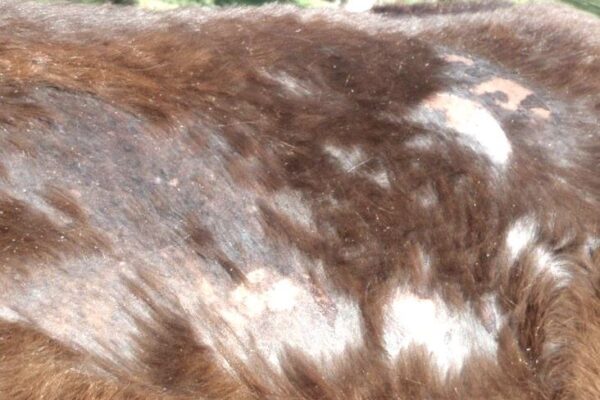
Rain Scald, also known as Rain Rot, is a bacterial skin condition primarily observed during the winter in horses staying outdoors. This condition typically surfaces when horses showcase continuously wet and matted coats, inducing a favorable environment for the bacteria. While it can develop on various body parts, the back and hindquarters are particularly vulnerable….
Read More

Treating Mud Fever in Horses

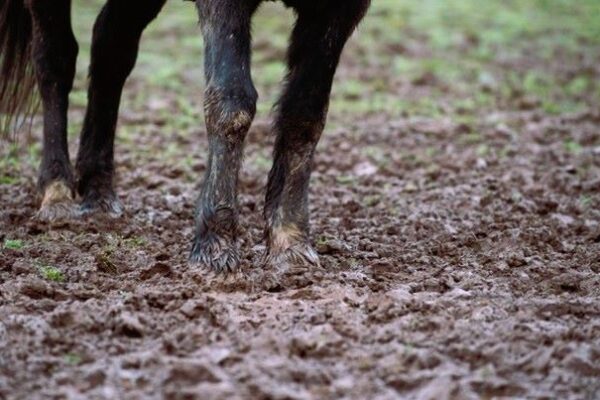
Mud Fever, a common condition in horses, is an irritation caused by the same organism responsible for Rain Scald. This discomforting condition usually manifests on the horse’s legs, a direct result of prolonged exposure to and wetting by mud. The Relation to Rain Scald Just like Rain Scald, Mud Fever, also scientifically known as “pastern…

Read More

How to Treat Mange in Horses

Mange is a skin condition that can affect horses and other animals, and although it’s not a common occurrence, it’s crucial for horse owners to be aware of its existence. This problematic aility can present itself in two distinct variations, namely, dry and moist. A distinguishing factor lies in how the parasites interact with the…

Read More

Horse Lice: Types, Prevention, and Treatment

Two Common Types of Horse Lice Horses can be infested by two main types of lice: Both types are more prevalent in winter, especially during early spring. Effects of Lice Infestation on Horses Lice infestation can cause a range of issues in horses: Treating and Preventing Lice in Horses Horse lice are becoming increasingly common,…

Read More

Handling Equine Wounds: Essential Steps and Precautions

Horses, like any other animals, can get injured and often suffer wounds, ranging from minor scrapes to serious gashes. Learning how to handle these incidents appropriately can significantly speed up their recovery while preventing complications. Here, you’ll find a friendly guide on how to tackle such situations effectively, using simple actions that anybody can perform….

Read More

Identifying and Treating Horse Mouth Injuries

Mouth injuries in horses can arise as a result of various causes, ranging from inappropriate handling and incorrect equipment to accidental ingestion of sharp objects. Here, we discuss how to identify and treat these types of injuries while ensuring that the horse doesn’t suffer from further discomfort during recovery. Causes of Mouth Injuries in Horses…

Read More

Equine Abscesses: Diagnosis, Treatment, and Prevention

Equine abscesses, while fairly common among horses, can be a significant cause for concern and may require prompt treatment and care. In this guide, we’ll discuss these pus-filled infections in more depth, elaborating on their causes, treatment methods, and preventive measures. Causes of Equine Abscesses Abscesses in horses are generally the result of a bacterial…

Read More

Horse Poisoning: Prevention and Understanding Causes

Horse poisoning might be uncommon, but attention to it should be paramount. Often, it arises from plant-based substances, making horses somewhat less vulnerable compared to other animals that might ingest toxic flora more frequently. Yet, the majority of horse poisoning cases are related to garden residues, urging us not to ignore or underestimate any potential…

Read More

Notifiable Diseases in Horses

Notifiable diseases, often referred to as “scheduled diseases,” are specific conditions found in horses that are governed by law. Whenever these ailments are identified, they are required to be reported to relevant authorities such as the police, the local council, or the Ministry of Agriculture’s veterinary inspector. Although these diseases are rare, it’s important to…

Read More