Back and Pelvis Injuries in Horses

Understanding the ailments that afflict the back and pelvis regions of a horse can be crucial for their wellbeing. These areas, if injured, can lead not only to lameness, which is a significant concern in equine health, but can also prompt stiffness, diminished motion, and hesitation to undertake activities like jumping. Conditions Impacting Equine Back…

Read More

Injuries Above the Hock

Stifle Lameness Stifle lameness refers to a range of conditions that affect the stifle joint in horses, which is akin to the human knee. This malady can be a result of various incidents and can have different underlying causes, often leading to discomfort and an irregular gait in the affected horse. Commencement of Stifle Lameness…

Read More
Capped Hock

Injuries of the Hock

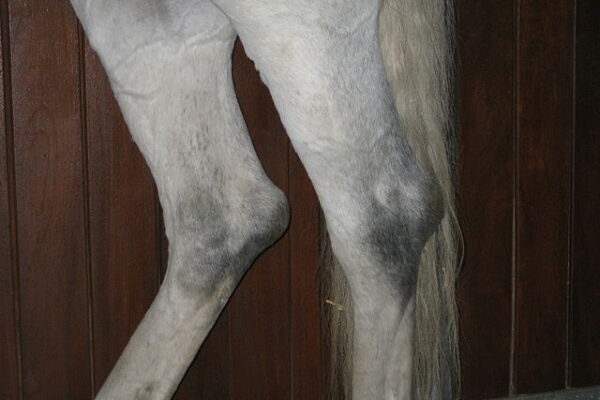
Capped Hock Capped Hock refers to a soft swelling that occurs on the point of a horse’s hock. It is typically caused by an injury and while it doesn’t result in lameness, it can often present as an unsightly blemish. Proper understanding of its causes, protective measures, and treatments can be vital for your horse’s…

Read More

Lymphangitis in Horses

Lymphangitis, while less common than some other health concerns in horses, is a serious condition typically prevalent in horses that have been put to heavy work. There are instances where a difference in the animal’s routine, such as resting for a day or more while still on a full working ration, contributes to the development…

Read More

Injuries of the Foreleg

Sprain of the Flexor (Back) Tendons A common issue affecting horses is sprain of the flexor tendons, which can result from various causes, such as an accidental twist or jumping impact. Proper treatment and rest are essential to ensuring a successful recovery. Recognizing the Symptoms All horses are susceptible to these sprains, making it important…

Read More

Injuries of the Pastern and Fetlock

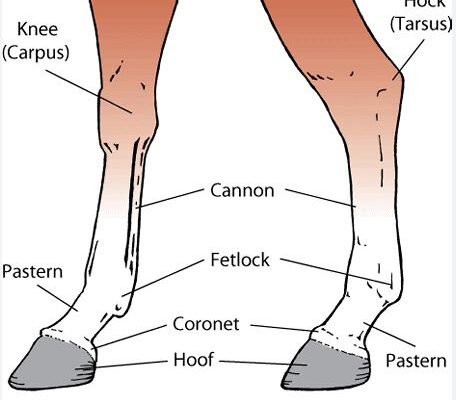
The Pastern and Fetlock: seemingly simple structures that play a critical role in a horse’s locomotion. However, certain defects in these areas can result in conditions such as brushing, which is an incorrect, potentially detrimental motion that can take place in either the forelegs or hindlegs. Brushing In the world of equine health, brushing isn’t…

Read More

Understanding Common Foot Problems in Horses

Horses, being majestic creatures with an impressive stature, require regular attention and care, particularly when it comes to their feet. The wellbeing of a horse’s foot plays an undeniable role in its overall health and ability to perform. Therefore, understanding how to identify and address common foot issues is vital. Characteristics of Healthy Horse Feet…

Read More

Understanding Equine Lameness

Equine lameness is a commonly observed condition whose effects are typically concentrated in certain areas of a horse’s anatomy. Understanding in which parts lameness frequently occurs, and properly diagnosing the issues can prove to be a challenging task. This guide aims to shed light on this prevalent issue maintaining a balance between simplicity for everyday…

Read More

How to Take Care of Your Sick Horse

Taking care of a sick horse entails more than simply administering prescribed medicines: it’s a holistic approach that covers all aspects of horse management. Optimal care can significantly influence both the speed of recovery and the ultimate restoration of the horse’s health and fitness. Implementing a clean environment, regular health monitoring, and a well-maintained diet…

Read More

How to Tell if Your Horse is Sick

The primary goals of this section are three-fold: Working With Health Concerns As A Non-Professional While we encourage horse owners to be actively involved in their animal’s health care, it’s vital to acknowledge that non-professionals should not attempt treatment of any serious medical issues or injuries. An amateur should refrain from interventions based solely on…

Read More