


Pony care and shelter management is a comprehensive task that requires attention to numerous considerations. While the ideal scenario involves a well-equipped stable, oftentimes ponies do not have access to one. Despite this, they can still adapt and thrive in other settings with the right level of care and management.
The Role of a Stable
Stables serve numerous critical purposes in the management and care of a pony. These uses typically include:
Comfortable grooming and saddling area: This space allows a pony to be groomed and saddled in a safe, clean and convenient environment.
Regulated summer habitat: A stable can also serve as a haven during summer, especially for ponies that are prone to putting on excess weight. For part of the day, the ponies can be kept in the stable to prevent overgrazing, hence maintaining their optimal weight.
However, it is crucial to note that for a family pony, a stable, while extremely beneficial, is a luxury and not a necessity. They are remarkably adaptable creatures that can thrive across a range of environments, provided they are afforded adequate care.
Alternatives to Stables
Ponies not having a stable does not give carte blanche for negligent care, particularly during the colder winter months. Essential care in lieu of a stable involves:
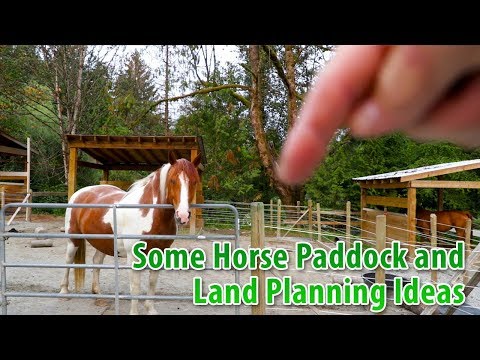
Shelter: While ponies can withstand cold environments, continuous exposure to wind and cold can be distressing and harmful to their health. Suitable alternative shelter can take the form of sheds, barns or even stand-alone lean-tos that offer gust and precipitation protection.
Warmth: In addition to physical shelter, it’s critical to ensure that ponies have sufficient warmth. This can be achieved through providing them with well-fitted equine blankets or introducing a proper nutrition regime to aid in generating internal body heat.
In the absence of a stable, these alternatives can provide the necessary shelter to keep a pony well and content throughout the year.
Shelter Management Practices
Regardless of whether a pony calls a stable or a field its home, sound shelter management practices are vital for its wellness. This typically involves:
- Hygiene and cleanliness: Regularly muck out and clean the shelter. Accumulation of waste can not only result in unpleasant odors but also contribute to the breeding of disease-causing parasites.
- Maintenance: Continuously examine your shelter for any potential hazards, such as sharp objects, loose boards or nails, and fix them promptly to prevent any harm to your pony.
- Ventilation: It is important to ensure the shelter is well-ventilated yet free from draughts. This promotes air circulation while maintaining the warmth needed by the pony.
The essence of these practices is to cultivate an environment conducive to your pony’s wellbeing, regardless of its home being a luxury stable or a simpler shelter.
Shelter Requirements for Ponies
Ensuring a pony has appropriate shelter is crucial to maintain its wellbeing throughout the year. These shelters must offer protection from harsh weather and environmental conditions while considering the creature’s natural instincts and social behaviors.
Shelter for Winter Months
During winter, ponies require protection from the prevailing wind. This can be achieved using a variety of options:
Natural elements: A thick hedge, the side of a forest, or a building can offer satisfactory protection from the wind.
Open sheds: An open shed is ideal for sheltering from harsh winds, as it provides a covered space while still allowing airflow.
However, it is worth noting that ponies may opt to stand against the windbreak rather than seek cover inside the shed, except when seeking refuge from insects during the summer months.
Shelter for Summer Months
In the summer, essential sheltering considerations include:
Shade: Ponies need respite from the heat and sun, either through dedicated shady areas or naturally occurring shade provided by trees or buildings.
Shared Shelter Considerations
When planning a shelter for multiple ponies, certain aspects must be accounted for to avoid behavioral problems:
Wide doorways: Doorways should be broad enough for ponies to quickly exit in case of fights or other disturbances.
Feeding areas: Avoid feeding ponies inside the shelter, as this can provoke fighting and aggression among them.
Designing a shelter that satisfies the unique needs of ponies throughout different seasons is important to ensure their healthy development and overall contentment.
Shelter Considerations for Ponies in Winter
There exists a common belief among stable owners about bringing in ponies in the evening during the cold winter months. However, this practice may serve the owner’s peace of mind better than the pony’s actual needs. Ponies, by nature, are often more comfortable making their own decisions about when to seek shelter.
Pony Behavior and Outdoor Shelter
Ponies as outdoor animals: As natural outdoor creatures, ponies have a strong instinct and preference for making their own decisions when it comes to seeking shelter. Even during the winter months, a pony might prefer being outdoors depending on its comfort levels.
That said, it’s important to have shelter readily available, as the pony should have the option to seek shelter when it desires.
Nutritional and Energy Considerations
Provision of shelter also plays an essential role in the pony’s nutritional and energy needs:
Energy expenditure: Ponies that are unprotected in the cold, windy, and rainy conditions use a significant portion of their energy to stay warm, which would otherwise be used for maintaining or improving health.
Food consumption: These challenging environmental circumstances lead to increased food consumption, as the body seeks to replace the lost energy.
Condition and health: Conversely, a pony able to use the energy from its food to improve its condition and health, rather than wasting it on staying warm, is more likely to thrive.
Thus, it becomes evident that having an appropriate and accessible shelter on hand not only serves the pony’s preference for deciding when to seek shelter but also contributes significantly to its health and general condition.


